Take Notes While Recording and Keep Their Provenance

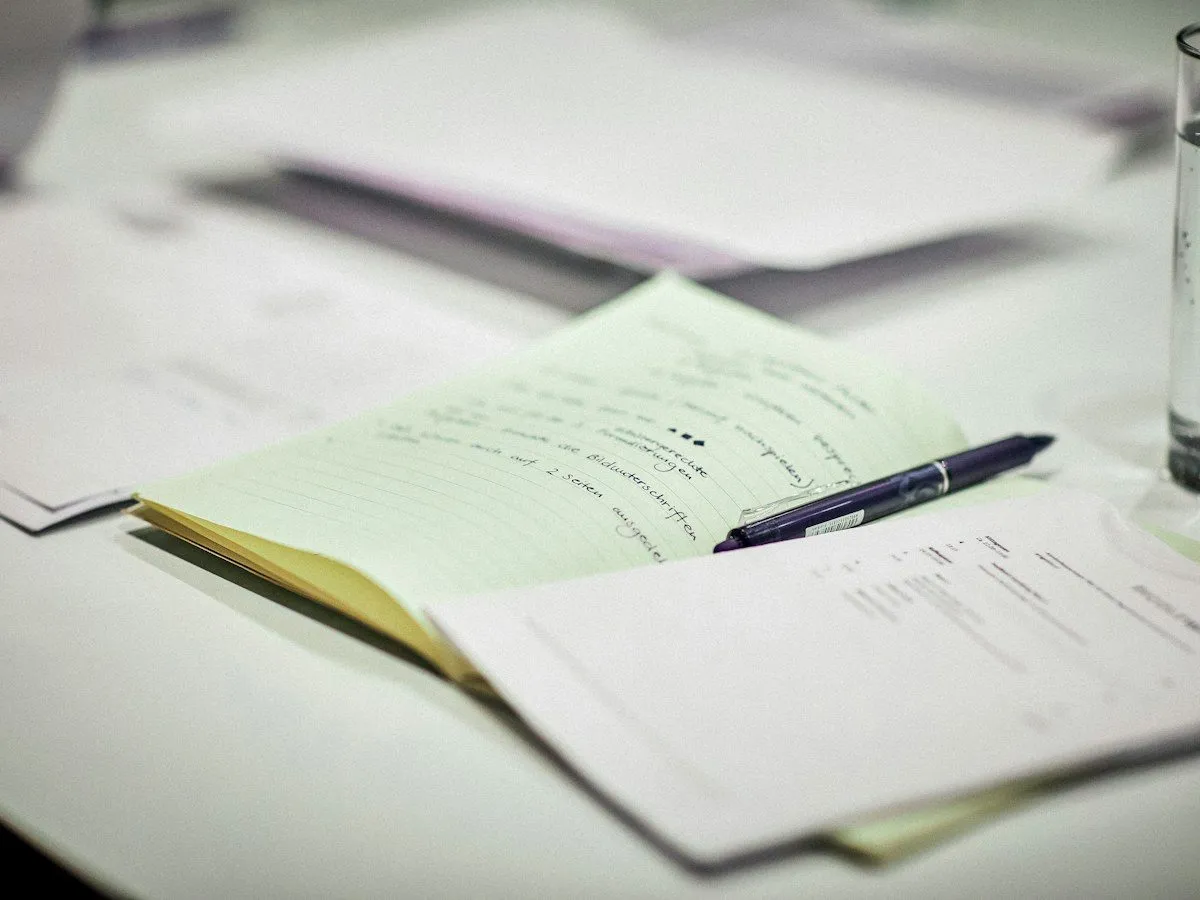
Hero photo by matcfelipe on Unsplash
Notes while recording are the lines you type during the call. In Vemoir they are Manual Notes. They fold into the minutes, key points, actions, decisions, the follow-up draft, and custom documents. They keep separate, user-authored provenance. They are never shown as if they were a verbatim line from the transcript.That split matters when someone asks what was said and what you added. The transcript answers the first. Your notes answer the second. For structure after the call, see how to take meeting minutes and action items from meetings.
Where notes while recording show up
The meeting summary carries editable rich-text Manual Notes, with formatting controls on the Mac, saved locally as you type. You do not have to wait until stop to jot a reminder. Empty notes are not treated as a saved statement. If the field is blank, it is blank.
After the call, those notes participate when Vemoir builds or rebuilds the record. A decision you wrote down and a decision the model proposed from the audio can both appear. The note keeps its own mark so you can tell which is which. Evidence links from a generated summary jump to a transcript passage. A manual note is not presented as that kind of evidence.
During the call versus after you stop
You can type while recording or open the same Manual Notes field afterward. Typing during the call catches numbers and names before people move on. Typing after stop works when you listen back once and add context. In both cases the authoritative transcript is built from finalized audio after stop. Your notes never replace that capture.
Start recording
From the menu bar when the meeting begins.
Type sparingly
Only lines the minutes must not lose.
Stop and review
Read generated minutes next to your notes.
A practical habit during the call
- Start recording from the menu bar when the meeting starts. File it under a project first if the glossary and the client belong there.
- Type only what you would still want to see tomorrow: a number, a name the audio might miss, an objection, a task you promised.
- Use the formatting you need, not a second transcript. Short bullets beat a paragraph that copies the call.
- Stop when the call ends. The authoritative transcript is built from the finalized audio after that.
- Read the generated minutes next to your notes. If a line you typed was the real decision, keep it. If the model repeated it in generated prose, you can edit the generated text. Regeneration tries not to wipe what you already edited or entered by hand.
Your notes stay on the Mac with the meeting unless you export. They are not a cloud scratchpad.
What they do not replace
Manual notes do not label speakers. They do not fix the microphone. They do not become proof of the exact words if the transcript says something else. If the two disagree, listen to retained audio if you kept it, or treat your note as your interpretation and the transcript as the capture.
They also do not travel as a voice profile, and they do not opt anyone into Remember this speaker.
A glossary handles preferred spellings for generated text. If you type the product name correctly in a note, that sentence is yours. If you want future summaries to prefer that spelling even when you do not type it, put the term in the project glossary. The transcript remains the evidence either way.
Where typed notes are the worse path
Notes while recording fit when you already know which details the minutes must not drop, and you want them folded in with a visible source. Skip typing as a substitute when:
- You need a full verbatim record and you are trying to type it. Let the local speech model do the transcript. Your time is for the exceptions.
- You wanted a shared live document everyone on the call can edit. This is your Mac. Other people do not see the note unless you export or share it later.
- The only record you trust is the meeting vendor’s cloud transcript. Use theirs. Vemoir’s notes and transcript are your local copy.
- You hoped a blank note would count as “I reviewed this.” It does not. Write something, or leave the model output to stand on its own.
Apple Intelligence, if this Mac has it and you use it, can help with cleanup and artifacts. It does not replace the speech model you selected, and it does not turn a typed note into audio. A bring-your-own text key, if activated, still does not receive the recording.
Want notes folded into the next record without a separate doc? Vemoir records from the menu bar on your Mac. The finished shape is under the record.
What a note looks like next to a transcript line
You type “Budget ceiling 40, not 14. Confirm with Lena.” The transcript, a minute later, has a muddy number and no name for Lena. The generated action can pick up your sentence because Manual Notes are part of the record, and it should still show that the ceiling came from you, not from a clean quote. If you later listen and the audio really said 14, edit your note. You do not expect the model to treat your typed 40 as the thing that was spoken.
In a status meeting you might type a heading and two bullets: who owns the draft, and the date they named. Formatting stays in the rich text. When you export, your bullets can travel with the minutes, still as your notes. If you share only the transcript view, your typed lines are not substituted for the spoken ones.
A follow-up email draft can use both. Read it before you send. If the draft blended your private reminder (“do not mention the discount”) into the client email, delete that line. Provenance helps you see it. It does not send the email for you.
Keep the notes short enough that you still listen. The speech model is already capturing the words. Your job is the line the minutes would otherwise lose: the number, the owner, the thing you promised off-mic.
Frequently asked questions
Do notes while recording overwrite the transcript?
No. They stay user-authored, with their own provenance. The transcript remains the verbatim capture of the audio.
Are they included in minutes and action items?
Yes. Manual Notes are folded into summaries, key points, actions, decisions, emails, and custom documents, without being labeled as transcript quotes.
Do they save automatically?
Yes, locally, as you work. If there is no text, there is no saved note content to point at.
Can I format them?
Yes. The notes are rich text with the native formatting controls.
What happens if I regenerate?
Regeneration compares the transcript, the Manual Notes, and the existing content. It keeps your edits and the notes you entered. It does not present those notes as transcript evidence.
Can the other participants see them during the call?
No. Nothing is added to the meeting app. Sharing happens later, from the parts you choose, including export.
Do the free browser tools have a live notes field?
No. They transcribe a file you already have, up to 15 minutes, three successful runs a week. They do not record a live meeting and do not take notes during a call.
Can I add notes only after the meeting?
Yes. The same Manual Notes field stays available when you open the finished meeting.
Do the notes appear in Ask Vemoir?
Ask Vemoir’s answers rely on the transcript and the generated record. Manual notes are part of the record, but they are not presented as a verbatim quote of what was said.
Where do I type?
In the meeting, while it is recording or afterward in the same Manual Notes field. Start from the record.
Type the decisions you cannot afford to lose, leave the wording of the call to the transcript, and read both before you share anything.
Written by
Vemoir TeamMac meeting records by Aurum Avis Labs · Oberägeri, Switzerland
We build Vemoir, a Mac app for local-first meeting records: capture from the menu bar, transcribe on your Mac, and turn calls into minutes and action items.
Related Articles
You might also be interested in these articles

Meeting Projects: File the Client Call, Then Record
Meeting projects let you file a call under a client before you record. The menu bar selection is local, and deleting a project removes that data.
How to Take Meeting Minutes During and After the Call
How to take meeting minutes: listen for decisions and actions, write a short record, and use a minutes sheet. Not a blank template.

Action Items From Meetings, With an Owner and Date
Action items from meetings only help with an owner and a due date. How to pull them from the talk and put them on a minutes sheet.